
 How To Boost Estrogen Naturally
The hormone estrogen has many roles in a woman’s body. Levels of this hormone can vary widely from person to person and day to day, especially as part of the menstrual cycle. As women age, lower levels of estrogen may be an early sign of menopause.
While your doctor may recommend hormone replacement therapy for low levels of estrogen, there are several ways you may be able to boost it naturally.
Many foods contain phytoestrogens, which are naturally occurring plant compounds that function in a similar way to estrogen.
They are also found in some herbal remedies.
Additionally, certain vitamins and minerals can help your body create or use estrogen more effectively. You can eat more foods that contain them or take them as supplements.
… Naturally correcting the many hormonal, nutritional, and stress-induced imbalances that may be robbing you of the desire for sexual intimacy!
As a recommendation with HerSolution®, you can finally rediscover your sexual side building your libido in full-force.
Read on to learn about signs and symptoms of low estrogen, as well as what the latest research says about boosting your estrogen levels naturally.
Discover your unique biology:
- Understand how your body responds to food
- Take the first steps on diet and exercise
- Understanding menopause
- Symptoms of low estrogen
Estrogen plays a critical role in your reproductive health, but it’s also important for bone health and the production of mood-stabilizing hormones.
The most common reason for low estrogen is perimenopause, the natural transition to menopause.
This usually occurs in women in their 40s, though it can vary.
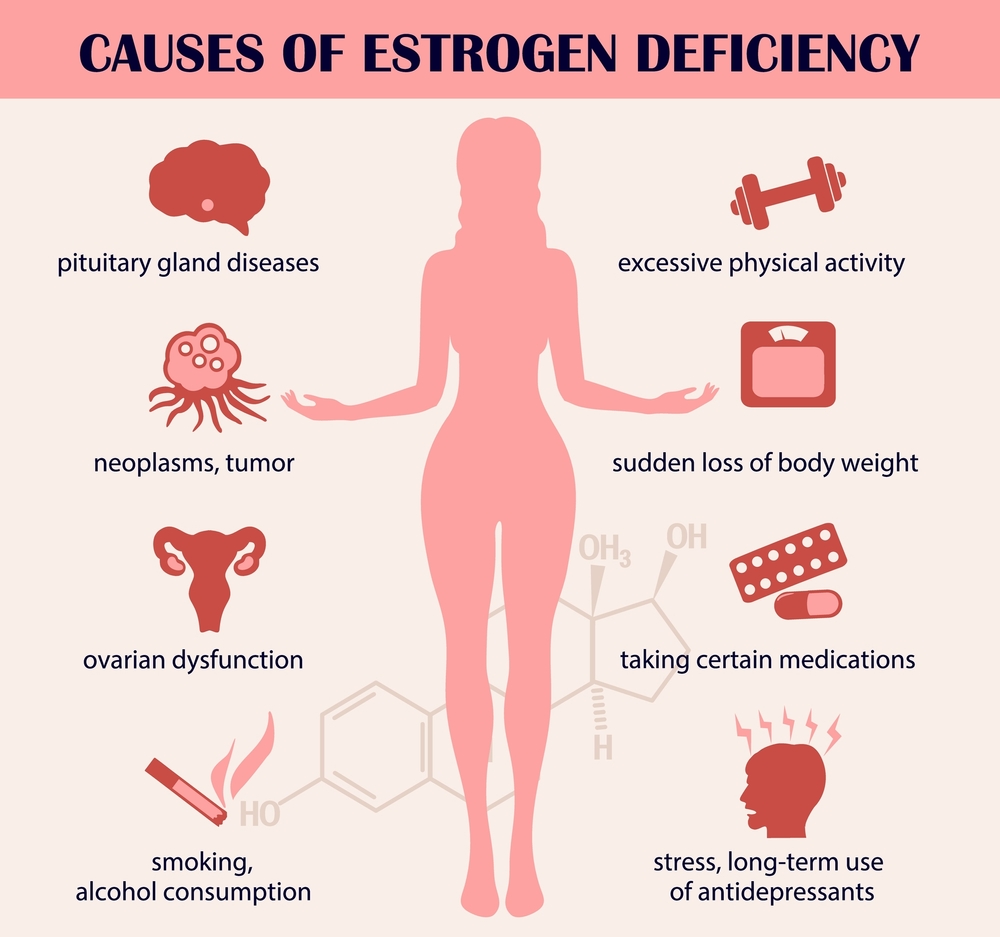
During this time, your body may have sudden surges and declines in estrogen production, which can cause symptoms including:
- hot flashes
- irregular periods
- mood changes
- sleep disturbances
- brain fog
- osteoporosis
- incontinence
- changes in metabolism
If you notice symptoms, consult a doctor before making changes to your diet and lifestyle.
They may recommend hormone replacement therapy (HRT). Studies have found that HRT is safe for many — but not all — women.
Phytoestrogens
Phytoestrogens are molecules that occur naturally in plants and are similar to estrogen.
Studies suggest that eating foods containing phytoestrogens can improve symptoms caused by low estrogen. They may also be beneficial for heart and bone health.
The evidence suggests you need to eat an average of 50 mg of phytoestrogens a day to see the benefits. One half cup of boiled soybeans contains 55 mg of isoflavones, a type of phytoestrogen.
It’s important to note that many studies into phytoestrogens involve rats or mice. Research that involves humans is inconclusive because each study uses different concentrations and sources of phytoestrogens, so further research is needed.
Foods rich in phytoestrogens also contain many other compounds, and scientists need to do more work to say for sure where the benefits come from.
There are many potential pros and cons associated with increased phytoestrogen intake. If you are considering increasing your natural estrogen levels, discuss it with your doctor first.
Estrogen, Gut health, and Diet
Your gut is home to a huge population of bacteria, viruses, and fungi, known as your gut microbiome.
The “good” microbes in your gut are critical for digestion and immune health. Without a diverse microbiome, your body can’t absorb and use phytoestrogens.
Some research shows a link between gut microbiota diversity and estrogen levels in women who have been through menopause.
At ZOE, our scientists recently found that, following menopause, you are more likely to experience unhealthy blood sugar and blood fat spikes after eating. These spikes are important health markers that are often overlooked in people who seem otherwise healthy.
With the ZOE at-home test, you find out which microbes you currently have in your gut, including how many “good” and “bad” ones, and what the best foods for your body are at your current life stage.
You can take our free quiz to find out more.
Top 7 foods and remedies to boost estrogen
Let’s review what the latest science says about specific foods and supplements to boost your estrogen levels naturally.
1. Soy and other legumes
Soybeans and soy products are a rich source of isoflavones, one of the most important groups of phytoestrogens.
You can add soy to your diet with:
- tofu
- tempeh
- soy milk
- edamame
Other legumes, such as chickpeas, peanuts, and beans, are also a good source of isoflavones.
There’s some debate about the benefits of soy isoflavones. Many studies suggest that they can decrease the risk of heart disease and breast cancer, as well as reduce symptoms of menopause.
However, a lot of the evidence is preliminary, and many of the studies were performed on animals.
2. Flaxseeds
Flaxseeds have high levels of lignans, substances that your body changes into phytoestrogens. Lignans can help with estrogen metabolism. They are also a great source of omega-3 fatty acids, essential fats that your body can’t make itself.
A small study that included 140 women with menopause symptoms showed that those who added flaxseed to their diet for 3 months had fewer symptoms. There’s also early evidence that lignans in flaxseeds may reduce the risk of breast cancer.
You can add flaxseeds to your diet or use flaxseed oil as a supplement.
Join our mailing list
Get occasional updates on our latest developments and scientific discoveries. No spam. We promise.
3. Dark chocolate
Dark chocolate offers a whole host of potential health benefits. The cocoa in it is rich in flavonoids, and some of these affect your body in similar ways to estrogen.
Some research suggests that these compounds are why dark chocolate can boost your mood, help you stay full longer, and improve your memory and brain function.
4. Garlic oil supplements
Garlic is rich in phytoestrogens that can reduce the health risks associated with estrogen imbalance. A recent study shows that aged garlic extract improves heart health in postmenopausal women.
5. Red clover
Red clover is a plant used in many traditional medicines. While there is some early evidence that it can increase estrogen levels and help relieve hot flashes, further studies are needed to fully understand the effects.
6. Vitamin D
Vitamin D plays a supporting role in calcium and bone metabolism, besides being involved in heart health, body composition, and cognitive function.
Vitamin D is also involved in estrogen metabolism. During menopause, women may benefit from extra vitamin D.
Once your body stops producing estrogen after menopause, vitamin D is still an essential vitamin. It helps your body absorb calcium from food, which is crucial for bone health and can help prevent osteoporosis.
You can boost your vitamin D by either eating more foods that contain it or by taking a supplement. Foods rich in vitamin D include cod liver oil, fish, egg yolks, some mushrooms, and vitamin D-fortified foods.
When you expose your skin to sunlight, your body makes vitamin D. But many people don't have high enough levels of the vitamin, particularly people who have darker skin.
It’s important to note that too much vitamin D can cause abnormally high blood calcium levels. You should consult your doctor before you start any supplements, and make sure there aren’t interactions with your current medications.
7. DHEA
DHEA is a hormone that is naturally present in your body and is involved in producing estrogen. It’s widely available as an over-the-counter supplement.
One study that involved women who have been through menopause demonstrated that DHEA is effective at increasing blood estrogen levels. Other research indicates that it can improve bone density in women over the age of 65 and reproductive health in women who have experienced problems conceiving.
However, since DHEA is a hormone, it can have side effects. Women with an increased risk of cancer should talk with their doctor before taking it.
Summary
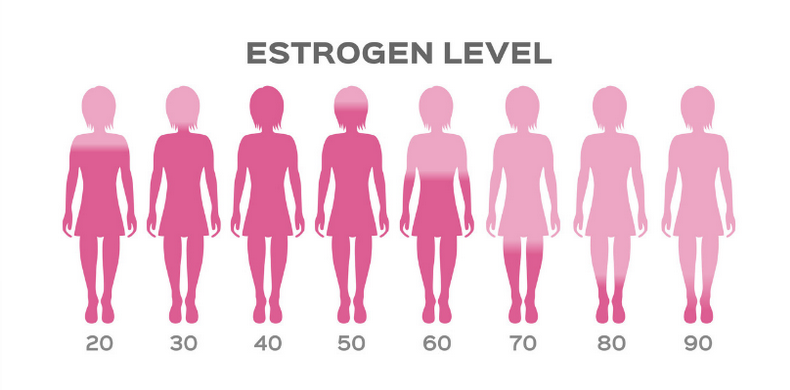
Your estrogen levels decline naturally as you get older, and the effects are wide-ranging.
Some women benefit from hormone replacement therapy to relieve their symptoms. But you may also be able to improve your estrogen levels naturally.
Foods containing phytoestrogens, vitamin and hormone supplements, and some herbal remedies show promise. However, more thorough research is needed to understand the role that phytoestrogens and other supplements play in estrogen balance.
The microbes that live in your gut play a role in how well your body can use phytoestrogens, and they also influence your estrogen levels. Looking after your gut health has many health benefits, whatever stage of life you're in currently.
Understanding Estrogen and Its Impact on a Woman's Libido
Estrogen is one of the body's most important hormones, influencing everything from reproductive health to bone strength and heart function. It also plays a significant role in a woman's sexual wellness by helping maintain vaginal lubrication, improving blood flow to intimate tissues, and enhancing sensitivity during sexual activity.
As women age, particularly during perimenopause and menopause, estrogen levels naturally decline. This hormonal shift can lead to symptoms such as vaginal dryness, discomfort during intercourse, and changes in sexual desire. However, libido is far more complex than estrogen levels alone. Emotional well-being, stress, relationship satisfaction, overall health, sleep quality, medications, and other hormones—including testosterone—all contribute to a woman's interest in and enjoyment of HerSolution®, intimacy.
Every woman's experience is unique. While some notice little change in their sex drive, others may experience a significant decline. The good news is that many treatment options and lifestyle strategies can help. Regular exercise, a nutritious diet, stress management, open communication with a partner, and guidance from a healthcare provider can all support healthy sexual function. In some cases, hormone therapy or other medical treatments may also be appropriate.
Understanding how estrogen affects the body empowers women to recognize changes, seek appropriate care, and take proactive steps toward maintaining a healthy, satisfying intimate life at every stage of adulthood.
Conclusion: The information in this article is intended for educational purposes and should not replace advice from a qualified healthcare professional. If you experience persistent changes in libido or other hormonal symptoms, consult your healthcare provider for a personalized evaluation.
 Disclosure: My opinion, experience, and results from the use of this product are mine. So results may vary depending on your eating habits and exercise regimen with this or any supplemental product.
 Download this FREE Report
 Copyright © 2026 ApeX Media 365, all rights reserved.

Founder of: Lazarus Enterprises Group and Head of Strategy at ApeX Media 365 and ApeX Marketing Pro, a results-driven digital marketing and advertising firm.
We have developed a proven marketing system that helps small businesses and local companies connect with qualified prospects who are actively searching for the products and services they offer. Our strategies are designed to generate more leads, increase sales, strengthen brand visibility, and ultimately enhance long-term business value.
By combining innovative guerrilla marketing strategies with advanced technology and performance analytics, we track measurable results and maximize your return on investment (ROI).
Schedule your FREE 30-minute Marketing Strategy Tune-Up today.
Call: 1-888-256-4202 to discover how we can help your business grow smarter and faster.